Melbourne Sports Team Portraits: How a Sports Photographer Creates Team Unity
When people talk about sports photography, they often fixate on action. The sprint, the tackle, the moment a ball changes everything. But there is another kind of sport photography that runs deeper than the highlight reel: team portraits.
In Melbourne, those portraits happen in training sheds that smell like sunscreen and grip tape, on club fields where the wind seems to have its own opinion, and sometimes in community halls where the lighting is more dramatic than flattering. The job of a sports photographer in those conditions is not just to get everyone looking at the camera. It is to help a group of individuals become a single unit, even if they have never played beside each other for more than a season or two.
The difference shows up in the final images. Faces look calmer. Shoulders sit at the right height. The whole group seems to breathe together, like they are listening to the same cue.
That cohesion does not happen by accident. It is made, moment by moment, by how the photographer directs, how they build trust, and how they plan for the realities of Melbourne clubs, schedules, and weather.
Unity starts before the shutter clicks
The first thing I do is stop thinking like a portrait photographer and start thinking like a matchday coordinator. Team portraits are logistics disguised as art. You can have the best camera in Melbourne, the sharpest lens, and the cleanest studio lighting, and still end up with uneven results if the schedule and expectations are unclear.
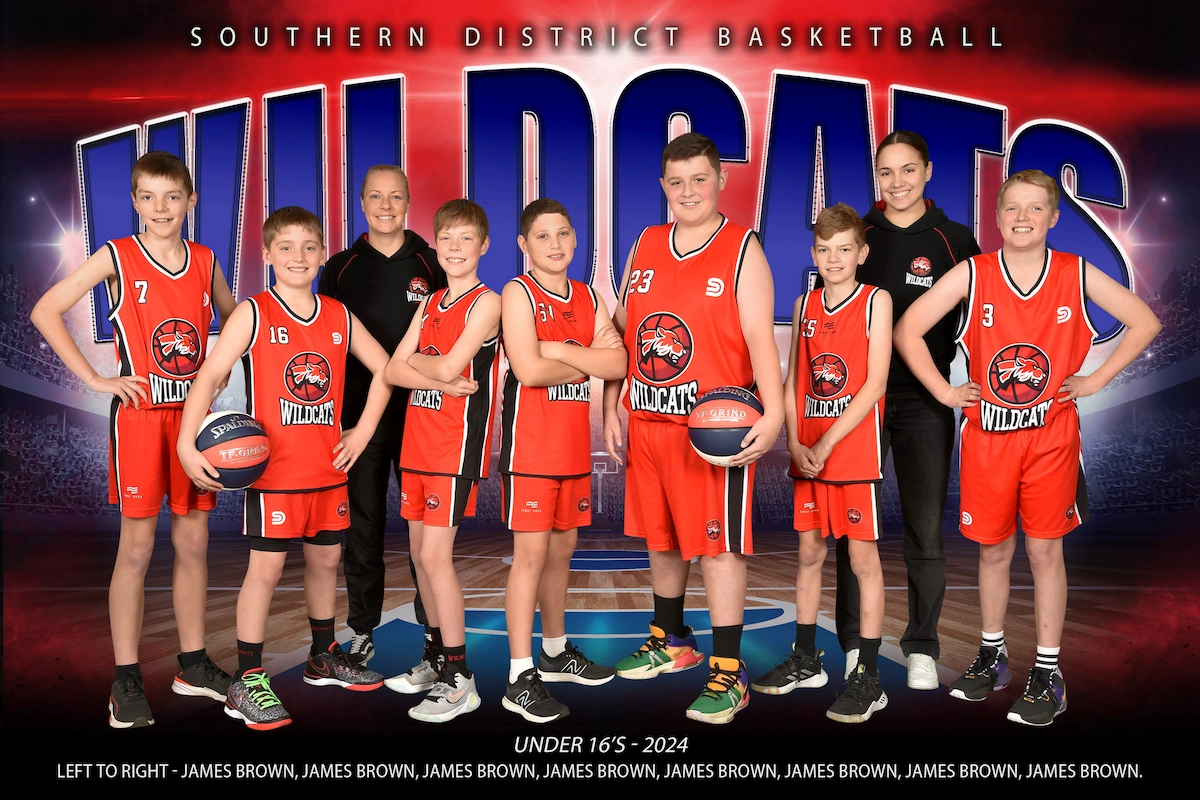
For a start, I ask the organiser what the portraits need to achieve. Is this for an A grade sponsor pack? A junior club social media set? A player profile wall? Different uses demand different crops, different levels of formality, and different tolerance for chaos.
Then I think about the team’s energy level on the day. Some squads arrive buzzing, joking, and bouncing on their toes. Others are quiet after a tough training session, hire photographer Melbourne shoulders heavy with tiredness. Both groups can produce strong portraits, but the approach changes.
With a high-energy team, I keep direction short and physical, quick cues that give them something to do. With a more subdued group, I slow down the pacing and give players permission to settle into the pose instead of rushing them into “ready, stand still” mode.
Unity is not just about making everyone stand together. It is about making the team feel safe enough to let their guard down, even for thirty seconds.
The Melbourne factor: weather, light, and the practical stuff
Melbourne can be gorgeous, then moody, then wet again, all without much warning. Even when you plan for outdoors, you plan for change. A cloud cover can be a gift, softening shadows across faces. It can also turn a late afternoon shoot into a low light scramble.
I build contingency into the shoot plan. If we are outside, I position groups so that faces catch even light rather than half-lit glare. If the wind is strong, I consider hair movement and jersey flutter as part of the portrait, not an annoying side effect.
You learn quickly that “just shoot in the open” is rarely the best option for sports team portraits Melbourne clubs need. Many teams have a favourite location, maybe the oval behind the clubhouse or the walkway where past teams have been photographed. Those spots matter for tradition and comfort. But I still look for workable angles: open shade, consistent backgrounds, enough space for players to stand without squeezing.
If there is a sudden shower, I shift to a covered area or an indoor space. A wall that looks boring to the casual eye can be perfect once you control the camera angle, the exposure, and the distance to the team.
There is a trade-off in every decision. Shooting indoors might offer consistency, but lighting can be uneven. Shooting outdoors might be flattering, but it might not survive the next weather change. My goal is to keep the team portrait experience stable, so players do not feel like they are being dragged from one problem to another.
That stability shows up in the photos.
How I direct a team without killing the vibe
Most players can handle directions that are clear and respectful. What they cannot handle is robotic posing that ignores the fact they are athletes, not mannequins. I avoid turning the shoot into a lecture.
Instead, I give direction that athletes understand: stance, balance, and spacing. I talk about where the feet should be and how the shoulders should line up, in plain language.
A good sports photographer does something subtle. They create rhythm.
One minute, the team laughs. The next, everyone is listening. The next, we are adjusting hands and aligning rows. The rhythm keeps attention without exhausting patience.
When I need players to look confident, I do not just say “smile”. I describe the feeling I want: “Think about the first whistle, shoulders relaxed, chest open, eyes forward.” It gives players a reference point. It also helps them stop thinking about whether their hair looks right.
If you are shooting multiple teams, or a large group that includes coaches and staff, direction becomes even more important. People get lost in the shuffle. Someone’s always adjusting a sock, someone’s still putting on shin guards, someone’s late.
So I keep a simple structure in motion. I form the group in layers, not all at once. First, we place the front row. Then we build the second row around them. Then we check spacing for faces and shoulder lines. It is methodical without being heavy.
And throughout, I keep an eye on body language. If the group is leaning away from each other, the photo will look like individuals standing in a crowd. If the shoulders are squared and the spacing feels intentional, the portrait reads as one team.
The portrait pose is built from roles, not symmetry
People often assume team portraits are about matching everyone’s posture. Symmetry looks clean, but it can also feel unnatural for sports teams where height differences sports photographer and playing positions vary.
The best portraits I have seen balance structure with personality. You can still create a uniform look, but you allow athletes to bring their own micro confidence into the frame.
Here is what I pay attention to:
Face orientation: players cannot all rotate their heads at the exact same angle, especially if they are tall and short relative to each other. I pick a dominant line of sight and nudge everyone toward it.
Shoulder height: jerseys bunch or sleeves slide, which changes how shoulders appear. I adjust based on how the team looks as a unit, not how each individual looks in isolation.
Hand placement: hands on hips, hands together, arms at sides. The “perfect” hand pose depends on the sport and the kit. A footy player’s hands might sit differently than a netball player’s. The portrait should feel like it belongs to that sport, not like a generic studio pose.
Spacing across the frame: if you pack too tightly, faces overlap when people shift their weight. If you space too widely, the group looks scattered. I find the middle ground by looking through the camera, not by guesswork.
This is one of the reasons a photographer’s experience matters. Melbourne Sports Team Portraits are often commissioned quickly, and teams expect professional results even when conditions are rough. The photographer has to translate a chaotic group into an image that reads cleanly in one glance.
Camera settings are only half the job
Yes, the camera matters. But I am careful with how I talk about it. Gear does not create unity. Direction creates unity.
Still, the technical side shapes the experience. If I am shooting fast and wide to include everyone, the depth of field has to be managed. If I am shooting tighter, I need to move the team accordingly. If I am using flash for consistency, I need to balance it with ambient light so faces do not look pasted on.
For outdoor portraits in Melbourne, I often chase even exposure across faces. Players move a little. Somebody blinks at the wrong time. The lighting shifts as clouds pass. You have to build in patience, then keep your timing tight.
The goal is to take multiple “good versions” rather than one lottery shot. That is how you end up with options for team managers, sponsor pages, and social media edits.
Also, you learn to respect players’ comfort. Some athletes have tattoos they want visible, others want to cover them for junior club photos. Some want the jumper to sit a certain way. You can ask, but you do not interrogate.
I keep the process light, but I remain firm about the few things that really affect the portrait: distance, row order, and gaze.
A practical example from a rainy Melbourne afternoon
Last season, I shot a mid-year portrait for a community club. The forecast looked fine, and the team turned up with that confident energy where everyone assumes the weather will behave.
Then the drizzle came in, not a full storm, just enough to change the ground conditions and the light. Jerseys went from matte to slightly reflective. Hair started to curl in places it never curls on a sunny day. You could feel the mood shift, like the team was suddenly thinking about wet socks and whether they would be late for the next session.
I did not pretend nothing had changed. I acknowledged it, moved us under cover, and adjusted the background so the photos would still feel like a team moment, not a fallback.
Here is the important part: I kept the directions simple and consistent, and I took a few extra frames to get the calm expressions that sometimes disappear when people worry about the rain.
We ended up with images the coach loved because the group looked connected. The unity was visible even though everything about the conditions had changed in the middle of the shoot.
That is the real test of sports team portraits. It is not whether the world cooperates. It is whether you can keep the team feeling like a team while you adapt.
Working with age groups, sizes, and nerves
Team portraits are hard for adults, harder for juniors, and surprisingly tricky for groups that include both. Kids are faster to lose patience and slower to regain it. They might not understand why they need to stay still when there is an interesting ball nearby.
I get better results when I treat juniors like athletes too, not like children being posed. That means I keep communication respectful and direct.
For nervous players, I give them an action cue. Something that feels purposeful. “Look like you are about to start.” “Think about your best game moment.” “Pick a teammate and look through them, then bring your eyes forward.”
It sounds small, but it changes their posture. It also reduces the “camera fear” that can cause stiff shoulders and tight smiles.
In mixed-height teams, the biggest challenge is not just spacing, it is making everyone look equally confident. Tall players tend to become anchor points, while shorter players can get visually drowned in the frame. I manage that by adjusting the composition, moving rows, and sometimes slightly altering the pose so the group’s shape feels intentional.
A sports photographer who understands team dynamics will produce portraits where all players feel seen, not just the ones easiest to frame.
The gear helps, but the human process wins
There is a reason players remember the photographer who “felt easy to work with”. It is not because they care about lens brands. It is because the process respects their time and their energy.
I aim for a shoot that runs like training, not like an assembly line. Even with large squads, I keep transitions smooth. Players know what happens next. They know when they can relax.
If I need to reorder the group, I do it quickly and explain why, in one sentence. If I ask someone to step forward, I do not do it like a correction. I treat it like part of building the team shape for the camera.
I also make sure the organiser understands what will be needed. If the team expects individual player headshots as well, that changes timing. If they want a full team banner image and separate sponsor crops, I build those into the workflow so the club does not get a surprise later.
This is also where I show trade-offs. For example, if you want extremely crisp portraits of everyone in one frame, you might need a larger group spacing. That can mean more steps and a little more time. If the club is on a strict schedule, we might prioritize a strong group photo and then do quick individual alternates.
Great results often look simple, but they are negotiated in real time.
A small checklist I use to keep portraits consistent
Before any Melbourne Sports Team Portraits shoot, I run through the essentials mentally. This is less about rules and more about preventing avoidable chaos when the team is already waiting.
- Confirm the number of people and who is in the shot, including coaches or staff if required
- Choose the background area and plan a backup option for sudden weather changes
- Allocate roles in the group, front row and anchors, so players feel organised
- Check kit details quickly, jersey alignment and sponsor visibility if the club expects it
- Take a few test frames to lock in exposure and keep expressions consistent
That checklist is simple, but it works because it respects how athletes behave. When people know the plan, they cooperate faster, and cooperation makes the final image stronger.
What “team unity” looks like in the finished images
Unity is not one trick. It shows up across a series of small choices, and those choices add up.
In strong team portraits, you can feel alignment. Not just physical alignment, but a shared mood. Players look like they are part of the same moment, not a set of individuals captured at different times.
The eyes help. When everyone looks forward with intention, the portrait reads like a team statement. When faces drift in different directions, it reads like a group photo at a random event.
The spacing helps too. A united team portrait has a flow from front to back, the kind of visual structure that feels like a formation. Jerseys appear consistent in the frame, shoulders line up, and the background supports the group rather than distracting from them.
Even the smallest details matter. A loose lanyard on the coach, a player adjusting gloves too close to their face, a teammate’s arm blocking someone’s jersey number. A sports photographer in Melbourne learns to spot these things quickly and fix them without making anyone feel embarrassed.
Unity is confidence with structure.
Working with clubs and managers: expectations matter
A lot of the time, the best collaboration is between the photographer and the team manager. The manager knows who is late, who needs help with kit, who is sensitive about appearance, and which sponsor requirements must be met.
I keep communication practical. If the club wants the portraits ready by a specific date, I clarify turnaround times upfront. If there are multiple teams and the organiser expects a consistent look across all groups, I align the method so every portrait set matches.
That matters because teams talk to each other. Parents compare photos. Coaches remember the quality. If one team gets crisp lighting and a unified look, another team expects the same standard.
This is one reason professional sports photographers in Melbourne invest in repeatable processes. The work is creative, but it is also dependable. Unity in portraits is partly artistic, partly operational.
Why team portraits are worth doing well
Some people see portraits as a “nice to have”. But a good set of sports team portraits does more than decorate a wall. It builds a shared identity, especially for clubs where players rotate, step up from juniors, or join mid-season.
A strong portrait can also support recruitment. When new players see a team that looks connected and proud, they want in. When parents see juniors presented with respect and clarity, it signals the club’s professionalism.
And for athletes themselves, it gives a record of a season’s effort. Not just the wins, not just the stats, but the people.
That is why I treat team portraits seriously. They are a snapshot of unity, made visible.
The photographer’s quiet responsibility
There is one part of sports team portraits that rarely gets discussed. The photographer holds the emotional temperature of the shoot.
If people feel rushed, the portraits go flat. If people feel respected, the portraits breathe. If directions are clear and the process is calm, even a naturally shy player can look confident.
In Melbourne, with all its weather moods and community energy, that responsibility is even more pronounced. You can never fully control the day. You can control how the team experiences it.
That is what creates unity.
When I look at the final images, I am not only thinking about sharpness or lighting ratios. I am thinking about the moment the group stopped being a collection of individuals and started acting like a team, even for a few frames.
That, ultimately, is what Melbourne Sports Team Portraits are about. The sports photographer is the guide. The athletes are the story. The unity is the result of both working in sync.
Pure Sport Images
23 Grandview Ave, Mulgrave VIC 3170, Australia
+61 413 157 614
[email protected]
Website: https://puresportimages.com.au/